


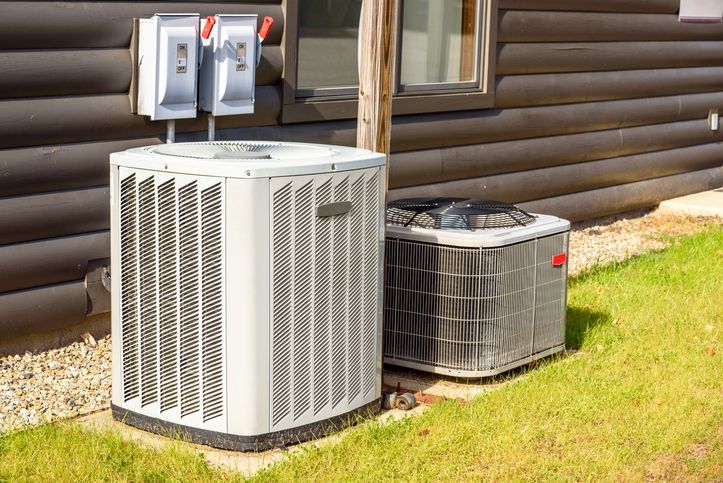
Timing plays a major role when it comes to replacement of your heating and cooling system. At Donovan & Jorgenson Heating and Cooling, many people ask us when it actually makes sense to plan an HVAC system upgrade rather than waiting for a breakdown. The answer often depends on a combination of season, system condition, and long-term goals for the home. We work with homeowners throughout Mukwonago, New Berlin, and West Allis, WI, who want dependable comfort and predictable energy costs.
Why Upgrade Your HVAC System?
An HVAC system upgrade is often driven by more than just age. Over time, systems lose efficiency, components wear down, and technology moves forward. Modern equipment is designed to deliver more consistent comfort while using less energy, which can significantly impact monthly utility bills.
There are several practical reasons to upgrade HVAC system equipment before it fails. Newer systems offer better temperature control, quieter operation, and improved indoor air quality. Repairs on aging units can also become frequent and costly, with no guarantee that another issue will not appear next season. For many homeowners, the long-term value of replacement outweighs the short-term savings of continued repairs.
The Best Time to Upgrade Your HVAC System
In Wisconsin, the most strategic time to upgrade your HVAC system is during the shoulder seasons, typically spring and fall. These periods fall between peak heating and cooling demand, making scheduling easier and less stressful. When temperatures are mild, you are less likely to rely heavily on your system, which allows replacement to happen without disrupting daily comfort.
Another advantage of upgrading during these seasons is availability. Installation schedules tend to be more flexible outside of extreme weather months. This allows more time to review options, select the right system, and plan the installation carefully rather than making rushed decisions during an emergency.
The Benefits of Upgrading at the Right Time
Timing has a direct impact on the overall experience and outcome of an upgrade. Planning ahead allows homeowners to focus on performance and efficiency instead of reacting to a failure. These HVAC system upgrade benefits extend beyond convenience. A well-timed upgrade often results in better system sizing, improved energy efficiency, and a smoother installation process. When homeowners are not under pressure, they can make informed decisions that align with their comfort needs and budget. Choosing the right moment can also help maximize value and minimize inconvenience:
- Avoiding emergency replacement during extreme heat or cold
- Having more time to compare system options and features
- Reducing the risk of being without heating or cooling during installation
How to Know It’s Time for a New HVAC System
Even with ideal timing, it is important to recognize when replacement is the right move. Systems do not last forever, and there are common indicators that suggest it may be time to upgrade your HVAC system rather than continue repairing it.
If your system is more than 15 years old, efficiency standards have likely changed significantly since it was installed. Rising energy bills without changes in usage are another red flag. Uneven temperatures, excessive noise, or frequent service calls also point to declining performance. These are common reasons to upgrade HVAC system equipment before it becomes unreliable.
In some cases, older systems use outdated refrigerants or parts that are harder to source. This can increase repair costs and limit options. Replacing the system allows homeowners to move forward with modern technology that is supported for years to come.
Factors to Consider Before Upgrading
Before committing to an HVAC system upgrade, several factors should be evaluated to ensure the new system meets your expectations. This is where planning and professional guidance make a difference. A thoughtful approach helps avoid overspending or choosing equipment that does not fit the home properly. Proper sizing is especially important, as systems that are too large or too small can lead to comfort issues and higher energy use. Evaluating efficiency ratings helps balance upfront cost with long-term savings, while existing infrastructure may influence installation requirements. Keep these factors in mind:
- Home size, layout, and insulation quality
- Energy efficiency ratings and operating costs
- Compatibility with existing ductwork and electrical systems
Why Experience and Expertise Matter
Upgrading a heating and cooling system is not just about choosing equipment. Installation quality plays a major role in performance, efficiency, and lifespan. Our team can work with any brand, giving homeowners flexibility in their options. As the largest employee-owned HVAC company in Wisconsin, we focus on accountability and long-term service, not quick sales. We also employ the largest number of NATE-certified technicians in the state. This certification reflects advanced technical knowledge and proven skills, which are essential when installing and configuring modern HVAC systems.
Planning an HVAC System Upgrade With Confidence
Replacing an HVAC system is a significant decision, but it does not have to be overwhelming. Understanding the best time of year, recognizing warning signs, and considering long-term benefits all contribute to better outcomes. A planned upgrade allows homeowners to prioritize efficiency, comfort, and reliability without unnecessary stress. Our role is to help guide that process with clear information and practical recommendations. Whether your current system is aging or simply no longer meeting your expectations, planning ahead gives you control over the timeline and the results.
Schedule Your HVAC System Upgrade Consultation
If you’re ready to discuss your HVAC system upgrade and explore options for your home in Mukwonago, New Berlin, or West Allis, WI, contact us today. We’re ready to help you plan a reliable, efficient upgrade that supports your comfort.



