


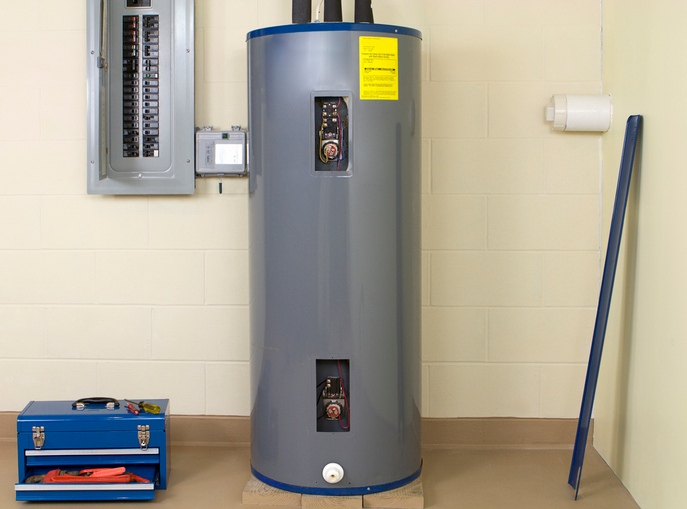
Boilers continue to be a popular and reliable heating option for many Wisconsin homes, especially during long, cold winters when homeowners depend on steady, even heat to stay comfortable. Donovan & Jorgenson Heating and Cooling serves Mukwonago, New Berlin, and West Allis, WI, helping homeowners understand, maintain, and replace boiler systems. Whether you already rely on a boiler or are considering one for your home, understanding how these systems work and what they require can help you make informed decisions.
What Is a Boiler and How Does It Work?
A boiler is a heating system that warms water and distributes heat throughout a home using radiators, baseboards, or radiant floor systems. Hot water boilers are the most common type used in residential settings. These systems heat water to a set temperature and circulate it through pipes, delivering consistent warmth before returning to the boiler to be reheated. Because heat is transferred through water rather than air, many homeowners notice fewer drafts and more even temperatures from room to room.
The Components of a Boiler System
A boiler system relies on several key components working together to provide heat safely and efficiently. Understanding these parts can make it easier to recognize problems and communicate concerns during service visits.
The main elements include the boiler unit itself, a heat exchanger, circulating pumps, valves, expansion tanks, and thermostats. Fuel sources vary and may include natural gas, electricity, or oil, depending on the system design. Controls and safety devices monitor pressure and temperature to ensure proper operation.
While boilers for homes may appear simple on the surface, modern systems are carefully engineered. High efficiency boilers, in particular, include advanced controls and condensing technology that maximize heat output while minimizing energy waste.
Types of Boilers
There are several types of boilers available, each designed to meet different heating needs and home layouts. Choosing the right system depends on efficiency goals, fuel availability, and existing infrastructure:
- Gas boilers are widely used due to their efficiency and availability.
- Electric boilers offer quiet operation and compact sizing.
- Oil boilers are typically found in older homes without gas access.
Electric boilers are often chosen for smaller homes or specific applications where gas is not available. High-efficiency boilers, whether gas or electric, are designed to extract more heat from the fuel they use, helping reduce energy consumption. Selecting the right type requires careful evaluation of your home and heating priorities.
The Benefits of Using a Boiler
Boilers offer several advantages that continue to make them a preferred heating option for many homeowners. One of the most notable benefits is consistent heat. Because warmth is delivered through water, temperatures tend to remain stable without the frequent cycling associated with forced-air systems.
Another advantage is improved indoor air quality. Boilers do not rely on blowing air, which means they do not circulate dust, allergens, or other airborne particles. This can be especially appealing for households with allergies or respiratory concerns. Boilers also operate quietly, as there are no fans or blowers involved in heat distribution.
High-efficiency boilers add another layer of value by reducing fuel usage while maintaining comfort. Over time, this efficiency can help offset higher upfront costs through lower utility bills.
Common Boiler Problems
Like any heating system, boilers can develop issues over time. Recognizing common boiler problems early can help prevent more serious damage and unexpected outages during winter. Issues may include pilot light failures, thermostat malfunctions, or declining efficiency. Because boilers operate under pressure and high temperatures, professional diagnosis is important whenever performance changes are noticed. Ignoring small issues can lead to larger repairs or system shutdowns during cold weather. Keep an eye out for these problems:
- Leaks are one of the most common concerns and may indicate corrosion or pressure problems.
- Uneven heating can result from air trapped in the system or circulation issues.
- Unusual noises may point to mineral buildup or failing components.
Maintenance Tips for Boilers
Regular maintenance is essential for keeping a boiler system reliable and efficient. Annual service helps ensure components are clean, controls are functioning properly, and safety systems are operating as intended. Maintenance also extends the lifespan of the equipment and reduces the likelihood of emergency repairs.
Homeowners can support system health by monitoring pressure levels, listening for unusual noises, and scheduling professional inspections before the heating season begins. Professional maintenance is especially important for high-efficiency boilers, which rely on precise settings and clean components to perform as designed. Routine service allows small adjustments to be made before they affect comfort or efficiency.
When Should You Replace Your Boiler?
Even well-maintained boilers eventually reach the end of their service life. Most systems last between 15 and 25 years, depending on usage, maintenance history, and system type. As boilers age, efficiency declines, and repair frequency often increases.
Signs it may be time for replacement include rising energy bills, frequent breakdowns, uneven heating, or difficulty finding replacement parts. Older systems may also lack modern safety features or efficiency standards. Upgrading to a newer system can improve comfort while reducing operating costs.
When replacement becomes necessary, working with experienced professionals helps ensure the new system is properly sized and installed. Our team can work with any brand, giving homeowners flexibility and confidence in their options.
Why Experience Matters With Boiler Systems
Boilers require specialized knowledge, especially when it comes to modern high-efficiency models. As the largest employee-owned HVAC company in Wisconsin, we bring a long-term approach to service and system recommendations. Our technicians focus on accuracy, safety, and clear communication throughout every visit. We also employ the largest number of NATE-certified technicians in the state, which reflects our advanced training and proven expertise.
Schedule Boiler Service or a Consultation Today
To schedule boiler service or discuss options for boilers for homes in Mukwonago, New Berlin, or West Allis, WI, contact us today and get dependable service you can trust, and we’re ready to help you maintain, repair, or replace your boiler system.



